
Introduction to Moringa
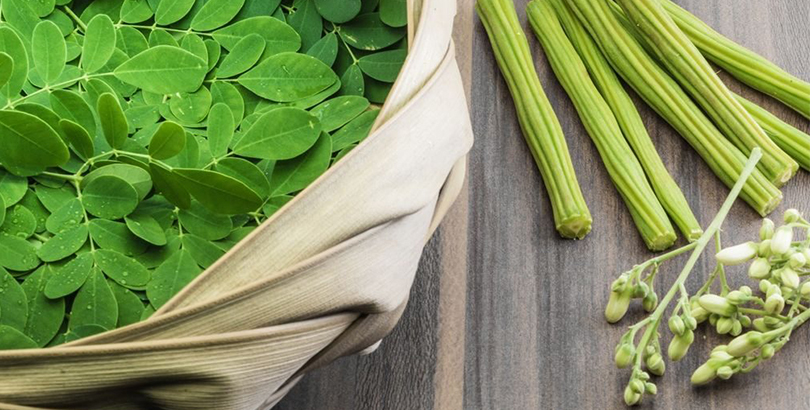
The Moringa is a vegetable plant grown for its edible tender pods, leaves, and flowers that are nutrient rich. The moringa tree is a softwood tree and is native to India. The trees are grown in the tropical and sub-tropical regions around the world. The moringa tree is called by many English common names for its various qualities such as Moringa, moringa tree, benzoil tree, and horseradish tree. The tree is a fast-growing, drought-resistant and perennial vegetable tree.
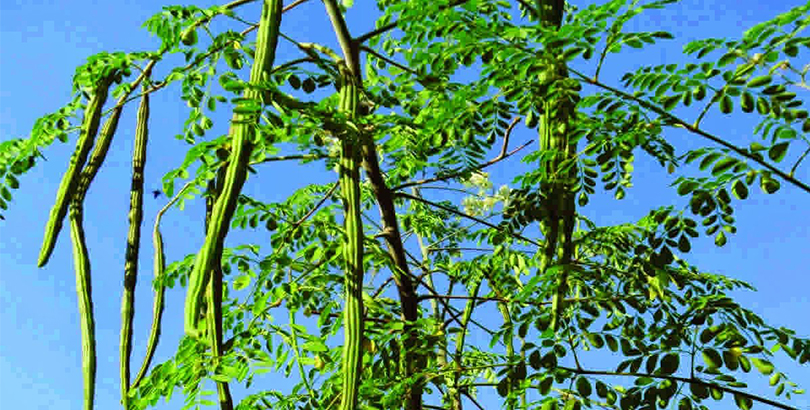
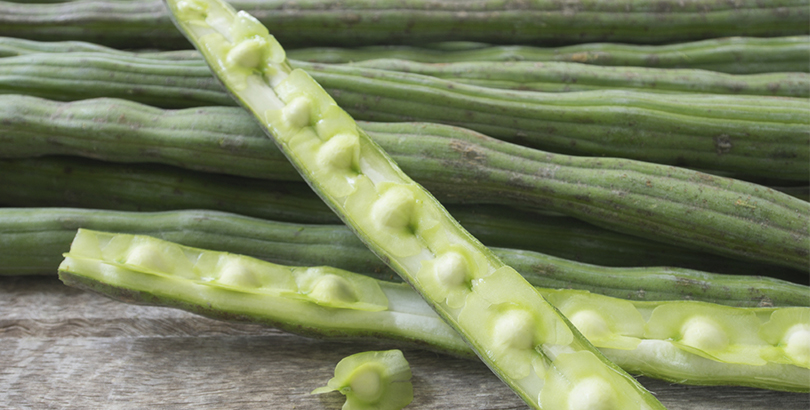
The trees are small to medium sized of about 10 to 12-meter height, The trunk of the tree can reach a diameter of 35 to 45 cm and is thick corky with fragile stems. The tree branches are drooping with leaves that are tripinnate with elliptic leaflets. The pods are long pendulous reaching 20 to 80 cm in length. The seeds inside are trigonous in shape with wings on angles. The tree bears yellowish creamy white flowers that are bisexual with sweet fragrance growing on slender hairy stalks. The flowering of the tree varies from region to region in India and is greatly influenced by rain, soil and other environmental conditions. Flowering occurs once a year between January to August in South Indian conditions. In central Kerala, peak flowering starts in December to January; in southern parts of Kerala it is February to March; Coimbatore it is March to May and in Bangalore, it is July to September. In conditions with constant seasonal temperatures and with consistent rainfall, flowering can happen twice or throughout the year. The trees are cut down to one to two meters under commercial farming by farmers as the plants regrow with pods and leaves within arm’s reach. The trees start bearing pods from the sixth month after planting.
Moringa Varieties/Moringa Cultivars:
Moringa varieties are classified into Perennial and Annual types.
- Perennial Type: These varieties have been in cultivation for centuries. In India, they are typically propagated through cuttings. These trees are less resistant to pests and diseases while requiring greater rainfall. The trees take a long time to grow and are usually not preferred for commercial cultivation.
- Annual Types: These trees are the common and regular trees that we found in the current cultivation developed through plant breeding research. They are propagated through seeds offering fast growth, early maturity, higher yields, and adapts to various soil and climatic conditions.
Climate and Soil Requirement for Moringa Farming:
The plants can be grown in a wide range of soils. Well-drained sandy loam soils with a pH of 6.0 to 7.0 are ideal soil conditions while red soils are recommended as high seedling vigor was observed. The plants grow well in tropical and sub-tropical climatic conditions. The tree is susceptible to frost and shedding of flowers is observed when day temperature exceeds 40° C. The ideal temperature with luxuriant plant growth is observed at 25° to 35° C.
Land preparation for Moringa Farming:
Deep plowing of the land is required for Moringa farming. About 20 tonnes of farmyard manure is incorporated per hectare at the time of the last plowing of the land. For perennial cultivars, Pits size of about 45 x 45 x 45 cm is dug at every 6.0 x 6.0-meter spacing while for annual cultivars; pits are dug at 2.5 x 2.5-meter spacing. For farming of drumstick leaves, 1.0 x 1.0-meter spacing can be maintained. Each pit is filled with a well-mixed mixture of soil, 10 to 15 kg of farmyard manure or compost along with 100 grams of Nitrogen, 200 grams of Phosphorous, and 50 grams of Potassium before the onset of monsoon.
Intercultural operations in Moringa Farming
Weeding:
- Since the drumstick plants are widely spaced, manual and mechanical intercultural operations can be undertaken. Regular weeding with a hoe will loosen the topsoil for good aeration and removes the unwanted plants and weeds. Fields having older drumstick trees are recommended to weed four times a year. For shallow-rooted weeds, three to four times of hoeing is required each time after irrigation. When fields are infested with numerous weed, mow the fields before weeds produce seed as close to the ground as possible. Those drumstick plantations that not weeded properly will produce fewer leaves and flowers and the leaves begin to yellow at the base. Application of registered herbicides at timely intervals will help to control the growth of weeds.
Pruning:
- Drumstick tree branches grow long and vertically, producing leaves and pods. When branches left growing naturally the pod production becomes low. The trees tend to grow 10 to 12 meters long making harvesting of fruits difficult. Pruning makes young tree branch laterally, making them short and bushy by pinching the terminal bud on the central stem when the trees are between one to two meters in height. Pruning can be undertaken on a regular basis after each harvest. Pruning helps the tree to produce more branches leading to more flowering and fruits. Harvesting will be made easy as tender pods and leaves will be in comfortable reach.